What to know about Islington council rules for flowers displays
Posted on 02/10/2026
If you are planning flowers displays in Islington, the tricky part is rarely the flowers themselves. It is the space around them, the access they affect, and whether the display is on private ground, shared pavement, or somewhere the council may expect to stay clear. What to know about Islington council rules for flowers displays comes down to a simple idea: beautiful displays are welcome, but they still need to be safe, tidy, and respectful of the wider public realm.
That can mean different things in practice. A small shopfront arrangement may be straightforward. A memorial display outside a venue can need more care. A wedding, tribute, or seasonal floral feature might be perfectly fine for a short period, then suddenly become a problem if it blocks access or spills into a walkway. Let's face it, flowers can look effortless, but the setup rarely is.
This guide explains the practical side in plain English: how Islington council rules are typically interpreted, what display organisers should check, common mistakes to avoid, and how to plan a display that looks good without creating avoidable headaches.

Table of Contents
- Why Islington council rules for flowers displays matter
- How the rules generally work
- Key benefits and practical advantages
- Who this is for and when it makes sense
- Step-by-step guidance
- Expert tips for better results
- Common mistakes to avoid
- Tools, resources and recommendations
- Law, compliance, standards, and best practice
- Options, methods, and comparison table
- Case study or real-world example
- Practical checklist
- Conclusion
- Frequently asked questions
Why Islington council rules for flowers displays Matter
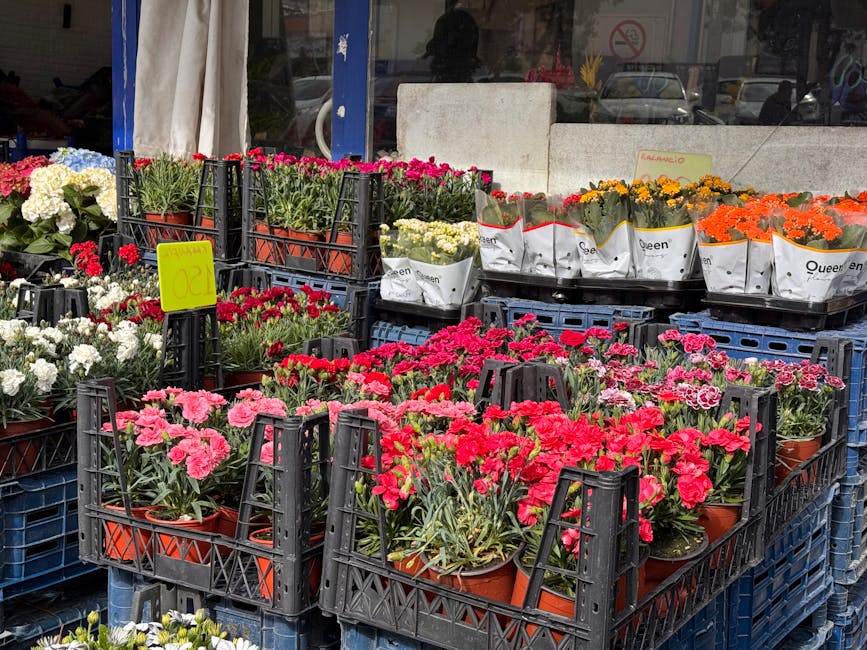
Flowers displays are one of those things that can make a street feel warmer straight away. A neat shopfront arrangement, a carefully placed tribute, or a wedding installation near a venue can change the mood of a whole pavement. But in a busy borough like Islington, the rules matter because public space is shared space. Footfall is constant, pavements can be narrow, and there is often a real mix of pedestrians, prams, wheelchairs, deliveries, cyclists, and everyday rush-hour movement.
That is why the council's expectations are not just about aesthetics. They are about safety, access, cleanliness, and consistency. A display that looks harmless at 9 a.m. can cause a bottleneck by lunchtime if it narrows the footpath. A small arrangement can also become an issue if it is unstable on a windy day or if watering creates a slippery patch near an entrance. You will notice that most council concerns are really common-sense concerns once you strip away the formal wording.
For businesses, the stakes are practical. A display that draws people in is great. A display that triggers complaints, blocks access, or attracts enforcement attention is not. For event planners, the issue is similar: you want a lovely visual moment without creating a mess for the venue, the street, or nearby residents. In short, the rules matter because they help keep the display welcome instead of troublesome.
Practical summary: if a flower display stays on private property, does not block access, does not create a hazard, and is managed responsibly, it is usually much easier to live with. Once it spills into public space, the level of caution rises quickly.
How Islington council rules for flowers displays Works
The way these rules work is usually more straightforward than people expect, although the details can still be fiddly. The key question is where the display sits and how it affects the public. A display inside a shop, on a private forecourt, or in a controlled venue space is treated very differently from one placed on a pavement, kerb edge, or communal access route.
In general, councils look at the impact rather than the sentiment behind the display. A floral tribute may be heartfelt, but if it blocks a path, it can still be challenged. A promotional floral installation for a business may be eye-catching, but if it interferes with pedestrian flow, it may need adjustment or permission. That sounds blunt, but it is how these things are usually approached.
In practice, you should think in terms of four checks:
- Location: Is it on private land, shared land, or a public walkway?
- Safety: Could it topple, leak, snag, or obstruct movement?
- Duration: Is it temporary, seasonal, or likely to stay in place for days?
- Impact: Does it affect access, visibility, waste, or neighbouring property?
If your display is linked to a shop, cafe, event space, church, community venue, or memorial gathering, the practical approach is to treat any space beyond your own boundary as needing extra care. And honestly, that is sensible even before you think about formal permission. The council is more likely to be comfortable with a display that is tidy, contained, and easy to remove.
For readers comparing flower options alongside display planning, it can help to look at suitable arrangements first. For instance, a compact hand-tied bouquet is very different from a larger installation or a tribute piece. Pages such as florist choice options and flowers in a vase are useful starting points if you are trying to match the display style to the space available. For sympathy and remembrance settings, a more structured design such as sympathy flowers or wreaths is often more appropriate than a loose, sprawling arrangement.
Key Benefits and Practical Advantages
Following the right approach to flowers displays in Islington brings more than compliance. It improves the whole experience for the people passing by, receiving the flowers, or hosting the event. And yes, it also saves time, which is usually the part people appreciate most once the day gets busy.
1. Better public safety
A well-managed display is less likely to tip, spill, block, or create a trip hazard. That matters on narrow streets where even a small obstacle can be surprisingly awkward, especially during busy periods.
2. Less disruption for neighbours
Displays that respect boundaries tend to avoid complaints. Nobody wants to be the person whose romantic window flowers ended up dribbling water across a shared entrance. It happens more than people admit.
3. Stronger presentation
When a display is sized properly, it actually looks better. It sits naturally in the space instead of fighting it. A small, well-composed arrangement often makes a stronger impression than something oversized and cramped.
4. Easier maintenance
Managed displays are easier to water, tidy, and replace. This is especially useful for businesses that want fresh flowers without staff constantly rearranging them at 8:30 in the morning while the first customers are already queueing.
5. Lower risk of removal or complaints
Displays that are clearly thought through are less likely to attract attention for the wrong reasons. That is a quiet benefit, but a valuable one.
| Display approach | Best use | Risk level | Practical note |
|---|---|---|---|
| Small indoor arrangements | Shop counters, receptions, tables | Low | Usually easiest to manage |
| Window-led floral features | Retail frontage, cafes, salons | Low to medium | Watch sightlines and spill risk |
| Outdoor pavement displays | Street-facing businesses, tributes, events | Medium to high | Needs careful space planning |
| Large ceremonial or memorial installations | Funerals, commemorations, weddings | Medium to high | Often needs closer coordination |
To be fair, the strongest advantage is peace of mind. Once you know the display fits the space, you stop second-guessing every passer-by and every gust of wind.
Who This Is For and When It Makes Sense
Not every reader will be asking the same question. Some people are planning a one-off event. Others are looking for a recurring floral presence outside a business or venue. A few are dealing with a sensitive moment, such as a tribute or memorial, where the emotional side of the arrangement is just as important as the practical side.
This topic matters most for:
- Local businesses that use flowers to improve curb appeal or brand atmosphere
- Event organisers planning weddings, engagements, launches, or community gatherings
- Florists and delivery recipients handling larger displays or public-facing setups
- Families and friends arranging memorial flowers in a public or semi-public space
- Venue managers who need to keep entrances, exits, and shared areas clear
It also makes sense whenever the display goes beyond a simple vase on a table. If you are placing flowers near a door, on a ledge, around a shopfront, by a memorial site, or beside a reception area with public access, you should pause and think about council expectations before you commit.
A common real-world example is a florist preparing a sympathy tribute for a church or funeral venue in the borough. The flowers themselves may be perfectly suitable, but the placement, timing, and collection afterwards all matter. If the arrangement is left too long, or set where people need to queue or gather, the whole experience becomes more difficult than it should be.
Truth be told, the best time to think about the rules is before the flowers arrive, not after. Once the van is outside and the ribbons are off, you lose flexibility.
Step-by-Step Guidance
If you are trying to work out what to know about Islington council rules for flowers displays, the safest route is to plan in stages. A display that feels spontaneous can still be compliant, but it usually needs a bit of structure behind the scenes.
Step 1: Identify the exact location
Start by deciding whether the display will be indoors, on private property, or touching any public space. This is the biggest dividing line. A flower arrangement on a cafe table is one thing; a floral stand leaning toward the pavement is another.
Step 2: Measure the usable space
Do not eyeball it if you can avoid it. Measure the width of the path, the distance from doorways, and how much room pedestrians actually need. In older parts of Islington, pavements can be tighter than they look, especially once bins, signs, bikes, and people are all in the picture.
Step 3: Check for access issues
Ask a practical question: would someone using a wheelchair, pushchair, walking aid, or shopping trolley still pass comfortably? If the answer is "probably, but only if they squeeze," then the display is too ambitious.
Step 4: Match the arrangement to the setting
A low, compact arrangement is often safer for tight areas. Taller features can work well indoors or in controlled spaces, but outdoors they need more stability. For a refined look without too much bulk, a vase arrangement such as flowers in a vase or a tidy selection from best sellers can be more practical than something heavily layered.
Step 5: Confirm who is responsible
Someone needs to know who waters, checks, repositions, or removes the flowers. If nobody owns the task, the display tends to drift into trouble. That applies to businesses, event teams, and families alike.
Step 6: Plan the end point
Every display should have a clear finish. When does it come down? Who clears the stems, wraps, boxes, or water containers? If you are using flowers for a short-term occasion, timing matters as much as the design. A well-timed removal keeps the space tidy and avoids awkward after-effects the next day.
Step 7: Build in a quick check
Before the display is finalised, do a last look from street level. Does it block a sightline? Does it look stable? Is anything leaking? Does it still feel easy to pass? This last check catches a surprising number of issues.
A good rule of thumb: if the display takes more than a second to "read" as safe, it probably needs simplifying.
Expert Tips for Better Results
People often assume the best floral display is the biggest one. In real life, that is not always true. The most successful displays are usually the ones that feel visually generous while remaining physically modest.
- Keep the footprint small. Width matters more than drama in narrow spaces.
- Use stable containers. Weighted bases and water-safe vessels reduce accidents.
- Avoid fragile spill points. Loose petals, overfilled tubes, and awkward wrapping can create mess quickly.
- Choose flowers that hold shape well. Some stems travel and sit better than others, particularly in public-facing spots.
- Work with the weather. A display that looks perfect indoors may behave very differently in a breezy street.
- Keep maintenance simple. If staff or family cannot maintain it easily, it probably needs to be smaller.
One small but useful detail: think about water. Water is often the hidden problem. A tiny leak on a stone pavement can look harmless until someone steps into it, and then you have a slippery patch and a lot of annoyance. Not glamorous, but true.
Another tip is to photograph the display from across the road and from doorway height. The camera sees practical issues your eyes often miss when you are standing close to the flowers and admiring the colour palette. Funny how that works.
Common Mistakes to Avoid
Most display problems are predictable. That is the good news. If you know the typical missteps, you can avoid them without much fuss.
Blocking circulation space
This is the classic mistake. People underestimate how much room a route actually needs, especially when the street is already busy.
Assuming "temporary" means "ignored"
Even a short-lived display can still cause an issue if it creates a hazard. A one-day setup can still matter a lot.
Using unstable stands or tall props
It only takes one gust of wind or one bump from a passer-by for an unsteady display to become a problem. If it wiggles, rethink it.
Forgetting cleanup
Petals on the pavement, sticky water, broken stems, and packaging left behind all diminish the impression. The flowers may be lovely; the aftermath less so.
Not checking the venue or property rules
Sometimes the council is not the first issue. The landlord, venue manager, building owner, or local steward may have their own expectations. It is worth asking early.
Overcomplicating the arrangement
More blooms do not always mean more impact. In many Islington settings, a cleaner, tighter display looks more polished and is easier to approve.
A lot of these mistakes happen because people are focused on the emotional or visual side, which is understandable. But the practical side is what keeps the display standing, visible, and welcome.
Tools, Resources and Recommendations
You do not need a complicated toolkit to manage flowers displays well, but a few simple tools make life easier.
- Measuring tape: useful for checking pavement width, table space, and frontage clearance
- Level or stable surface check: helps avoid leaning containers
- Waterproof liner or secure vessel: reduces leaks and staining
- Camera or phone photo: helps assess how the display looks from a pedestrian's point of view
- Cleaning cloths and spare packaging: ideal for quick tidy-ups
- Contact list: include the person responsible for maintenance and removal
For product-side planning, the best resource is usually the florist's own range of arrangements, chosen with the setting in mind. If you need something understated and practical, consider compact options like any occasion flowers or a composed style from all flowers. For a more formal or sympathy-led setting, tributes or letter tributes can be more appropriate than loose decorative bunches.
If you are coordinating a larger event, it can also help to look at related pages such as weddings, wedding table arrangements, or corporate gifting to see how different floral styles are usually tailored to specific environments. That does not replace checking the space, of course, but it does help you think in the right format.
Law, Compliance, Standards, or Best Practice
Because this topic touches public space and possible safety concerns, it is wise to use careful, practical best practice rather than guessing. Councils generally expect displays to avoid nuisance, obstruction, hazard, and visual clutter where those issues affect the public realm. Exact rules can vary depending on whether the display is on private land, whether it touches a highway or pavement, and whether any special permission is needed for temporary structures or encroachment into public space.
In plain English, here is the safe standard to follow:
- Do not obstruct entrances, exits, or clear pedestrian routes
- Keep arrangements stable and weather-aware
- Prevent leaks, litter, and falling debris
- Respect neighbours, property owners, and event organisers
- Remove the display promptly when it has served its purpose
If you are unsure whether a floral installation is acceptable, treat that uncertainty as a signal to simplify the setup or seek local guidance before proceeding. That is especially sensible for larger public-facing displays, memorial gatherings, and high-footfall areas. The safest route is usually the most straightforward one.
Good practice also means thinking about accessibility. A display should not make navigation harder for wheelchair users, people with visual impairments, or anyone carrying bags, pushing prams, or moving in a rush. This is not just about legal language. It is basic courtesy, and people notice it instantly.
Options, Methods, and Comparison Table
There is more than one way to present flowers in Islington, and the right method depends on the setting. The comparison below may help if you are deciding what sort of display makes sense.
| Method | Best for | Pros | Cons |
|---|---|---|---|
| Indoor display | Shops, receptions, private events | Easiest to control, low public risk | Less visible from the street |
| Window display | Retail frontage, cafes, salons | Good visibility, often tidy | Can overheat or crowd the glass line |
| Table arrangement | Weddings, dining, meetings | Elegant, compact, easy to manage | Needs stable surfaces and regular refresh |
| Pavement-adjacent display | Business frontage, memorials, events | High visibility | Greater risk of obstruction or complaint |
| Large ceremonial installation | Funerals, commemorations, major occasions | Striking and meaningful | Needs careful planning and removal |
If your priority is low stress, indoor or table-based designs are usually the easiest. If your priority is visibility, then window or frontage displays can work well, but they need tighter control. The more public the space, the more disciplined the setup has to be. It's a simple trade-off, really.
Case Study or Real-World Example
Here is a realistic example. A small independent florist is asked to prepare flowers for a boutique shop in Islington. The owner wants something seasonal and eye-catching outside the entrance because it is a new collection launch, and the front pavement is already busy at lunchtime.
Instead of placing several large arrangements on the path, the florist suggests two compact displays inside the doorway line, one window-facing arrangement, and one low pedestal near the entrance but still fully within the property boundary. The vessels are weighted, the water level is checked, and the display is designed to be refreshed every morning. The result is visible from the street, but pedestrians still move freely and staff can tidy it easily.
Now compare that with a second version of the same idea: three tall arrangements pushed closer to the pavement edge, with trailing foliage, loose wrapping, and no clear removal plan. That version might look dramatic for the first hour. Then someone knocks a stem, water drips, a delivery rider squeezes past, and suddenly the mood changes. Fast.
The lesson is not that display ambition is bad. It is that ambition needs boundaries. In many Islington settings, restrained planning wins every time because the street itself already does plenty of the visual work. The flowers just need to complement it.
Practical Checklist
Use this quick checklist before you finalise any flower display in Islington:
- Have I confirmed whether the display is on private or public-facing space?
- Will people still pass comfortably without squeezing around it?
- Is the arrangement stable enough for the weather and foot traffic?
- Could water, petals, or packaging create a slip or litter issue?
- Have I checked any venue, landlord, or property rules as well?
- Is the display size appropriate for the actual space?
- Do I know who will water, tidy, and remove it?
- Have I planned the end date and removal time?
- Does the display remain respectful of neighbours and access routes?
- Have I taken a quick photo or street-level check before signing it off?
If you can tick most of those off, you are already ahead of the game. Not perfect, perhaps, but properly thought through. That matters more than people think.
Conclusion
What to know about Islington council rules for flowers displays is really about balance. You want beauty, but you also want safety, access, and respect for the shared space around the display. Once you understand that, the rest becomes much easier. Keep the arrangement contained, stable, and easy to remove. Think about who passes by, who maintains it, and how long it will stay in place.
That approach works for businesses, families, venues, and event planners alike. And if you are ever unsure, simplify the design a little. In practice, the best floral displays often feel calm, tidy, and intentional. They do not shout. They just work.
Get a free quote today and see how much you can save.
A well-planned display can brighten a street in a way that feels effortless. It is a small thing, really, but small things count.
Frequently Asked Questions
Do I need permission for a flowers display in Islington?
It depends on where the display will sit and whether it affects public space. A display inside private premises is usually simpler, while anything extending onto a pavement or shared area may need closer checking. If in doubt, treat it as a permission question rather than assuming it is fine.
Can I put flowers outside my shop in Islington?
Possibly, yes, but the display should not block pedestrians or create a hazard. A small, tidy frontage display is usually far easier to manage than something wide or unstable. The location and footprint are the key details.
What is the safest type of flowers display for a narrow pavement?
A compact arrangement inside the boundary line is usually the safest option. Window-led displays, low planters, or indoor arrangements visible from the street tend to cause fewer issues than anything placed close to the walking route.
Are memorial flowers treated differently?
They can be, in the sense that the emotional context is different and people are often more sensitive about the display. But the practical rules still matter. If a memorial display blocks access or creates a mess, it may still need adjusting.
How long can a flowers display stay up?
There is no single answer that fits every situation. The right duration depends on the setting, the space, and the purpose of the display. Short-term displays are usually easier to manage, but even a brief installation should have a clear removal plan.
What kinds of flowers work best for public-facing displays?
Florists often prefer sturdy arrangements that hold their shape well and are easy to maintain. The best choice depends on the setting, but compact, stable designs are usually more practical than loose or heavily extended arrangements.
Can I use a large floral stand near a venue entrance?
Only if it still leaves enough room for people to enter and exit comfortably. Venue entrances need to stay clear, so large stands can become awkward quickly. A smaller, better-placed display often does the job more cleanly.
What should I do if flowers start blocking the pavement?
Move or reduce the display straight away. The safest response is to trim back the footprint, remove anything unstable, and make the route easier to use. Waiting usually makes the problem worse, not better.
Do I need to think about weather for an outdoor display?
Yes, absolutely. Wind, rain, and even sudden temperature changes can affect stability and freshness. Outdoor flowers displays need stronger containers and a more conservative layout than indoor ones.
Is there a difference between a retail display and an event display?
Yes. Retail displays usually need to work day after day with regular maintenance, while event displays are often short-lived but more time-sensitive. Event setups may also need faster installation and removal, which changes the planning slightly.
What is the most common mistake people make with flowers displays?
They make the display too large for the space. It is such a common mistake because flowers look soft and harmless, so people underestimate how much room they actually occupy. The second most common mistake is forgetting about cleanup.
Where should I start if I want a compliant display?
Start by measuring the space, identifying whether any public area is involved, and choosing a display style that stays comfortably within the available boundary. If needed, build from a small arrangement outward rather than starting big and trimming later.